

Welcome to the Bluestone Biogas Proposals Website
Planning application submitted
February 2026: A planning application for Bluestone Biogas has been submitted to Broadland District Council.
Bluestone Biogas would be a source of sustainable green gas produced with the support of local farmers.
The company is a wholly owned subsidiary of Future Biogas, one of the largest and most experienced operators of biogas plants in the UK. Future Biogas works with more than 400 farmers across the country, who produce sustainable energy crops as part of their rotations.
Growing these crops provides local farming communities with diversification opportunities and helps support the rural economy.
The submitted plans are available on the Broadland District Council planning portal (https://www.southnorfolkandbroadland.gov.uk/planning) under the reference number 2026/0282.
A key matter raised through the consultation was additional traffic. To answer such concerns we suggested a new route immediately south of the site to join the B1149, so additional traffic would avoid The Street altogether. However, Norfolk County Council and the Highway Authority considered The Street to be the preferred option.
As a result, we are proposing restrictions on site traffic (both during construction and operation) and no additional vehicles will use The Street north of the existing site access. Vehicles would access the site from the B1149 to the south and would leave by turning right on The Street heading towards the B1149.
A transport assessment forming part of the planning application sets this out in further detail.
Broadland District Council is undergoing a consultation with consultees on the submitted documents and plans.
We are keeping the project email address, BSBEnquiries@bluestonebiogas.com, and telephone number, 01603 850228, should you wish to contact the project team.
About Us
Bluestone Biogas is a wholly owned subsidiary of Future Biogas, one of the largest and most experienced operators of biogas plants in the UK.
Future Biogas has developed and built 13 plants over the last 15 years.
Future Biogas works with over 400 farmers, producing sustainable energy crops as part of their rotations. Growing energy crops provides local farming communities with diversification opportunities and supports the rural economy.
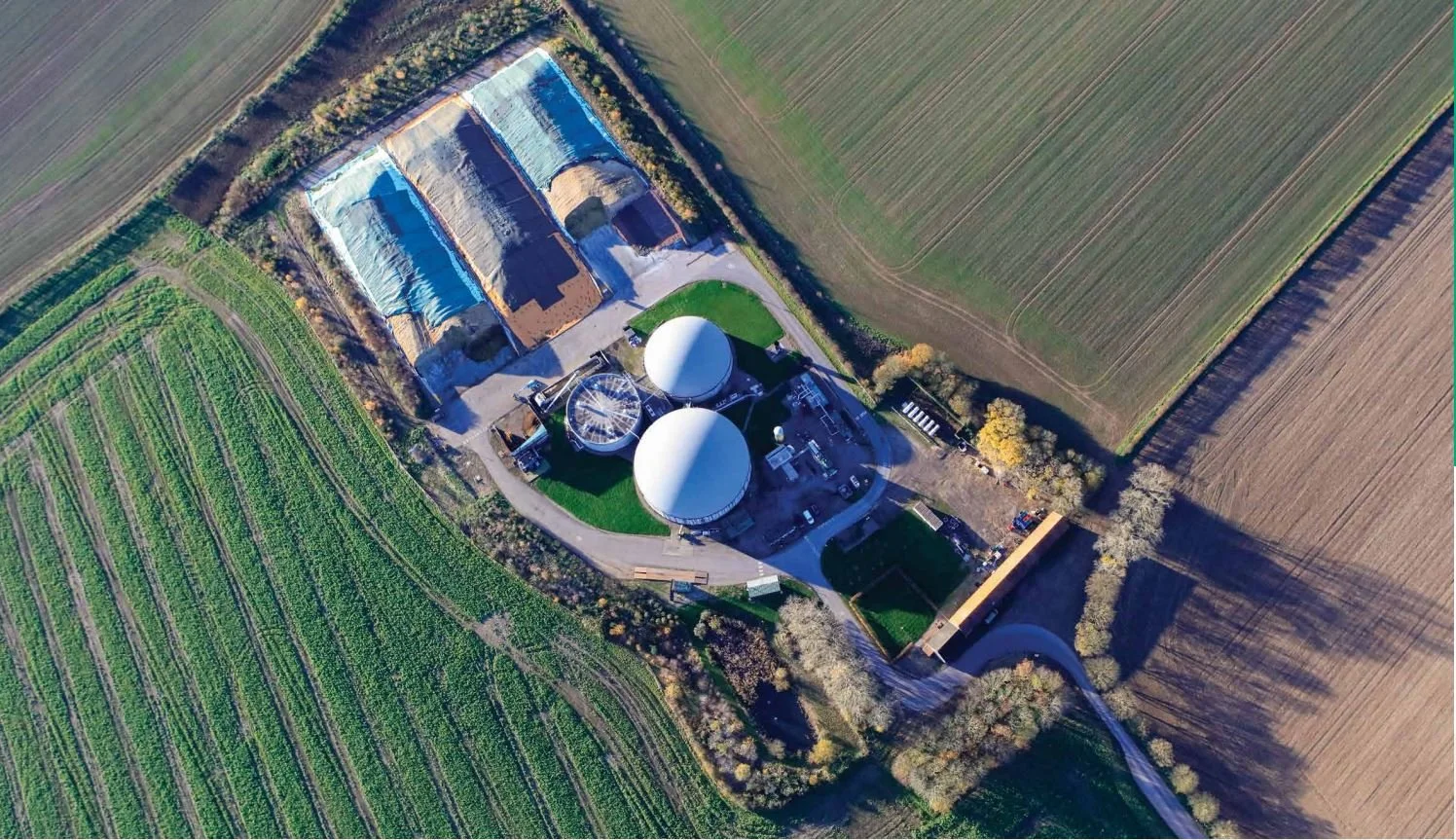
Towards a renewable future
The use of more and more “home-grown” renewable energy will not only help in the fight against climate change, it will also help to reduce the country’s reliance on overseas sources of energy.
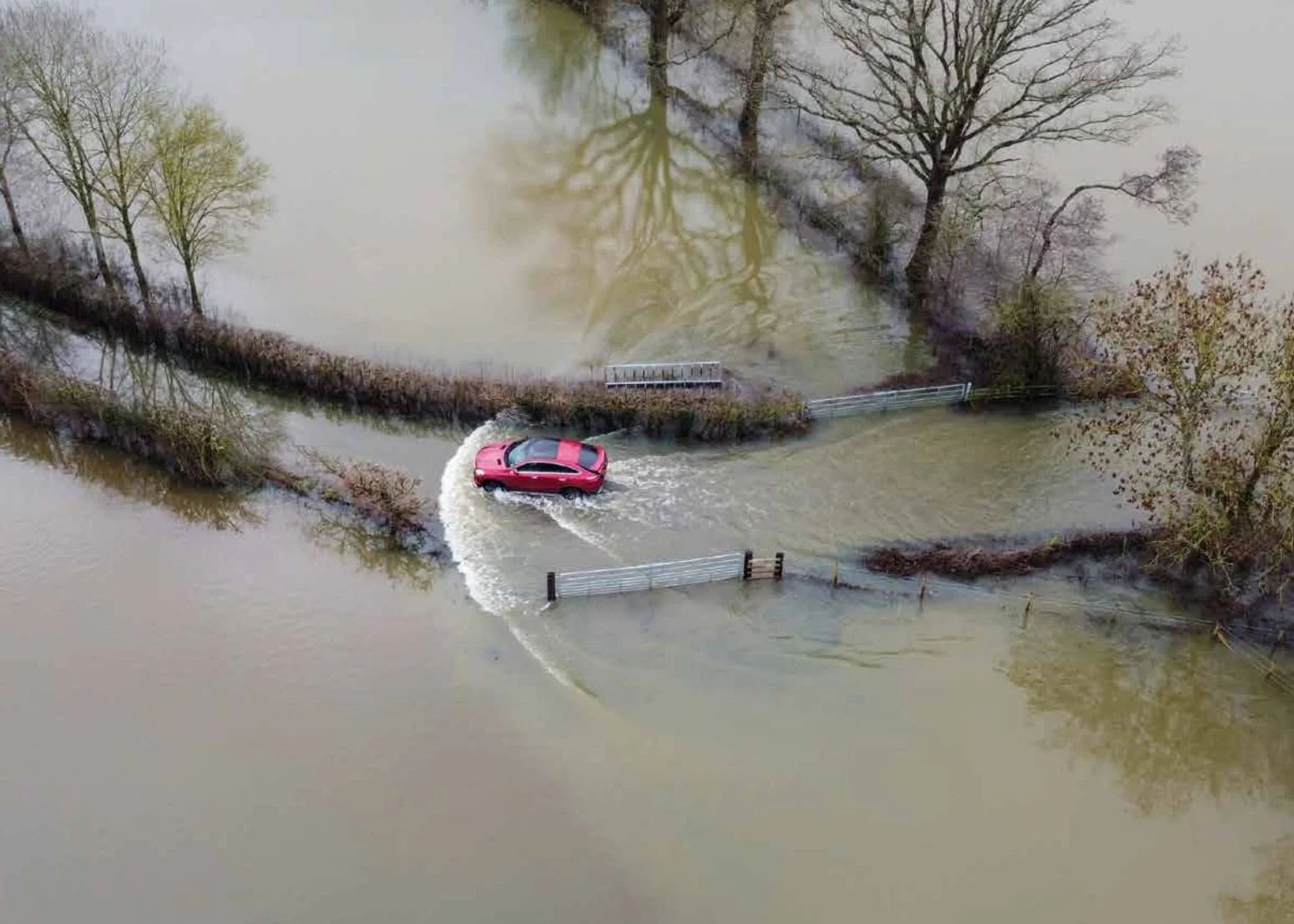
Scientific evidence shows that climate change is a danger to us all, wherever we may live, and that it is a significant threat to British agriculture and our food security.
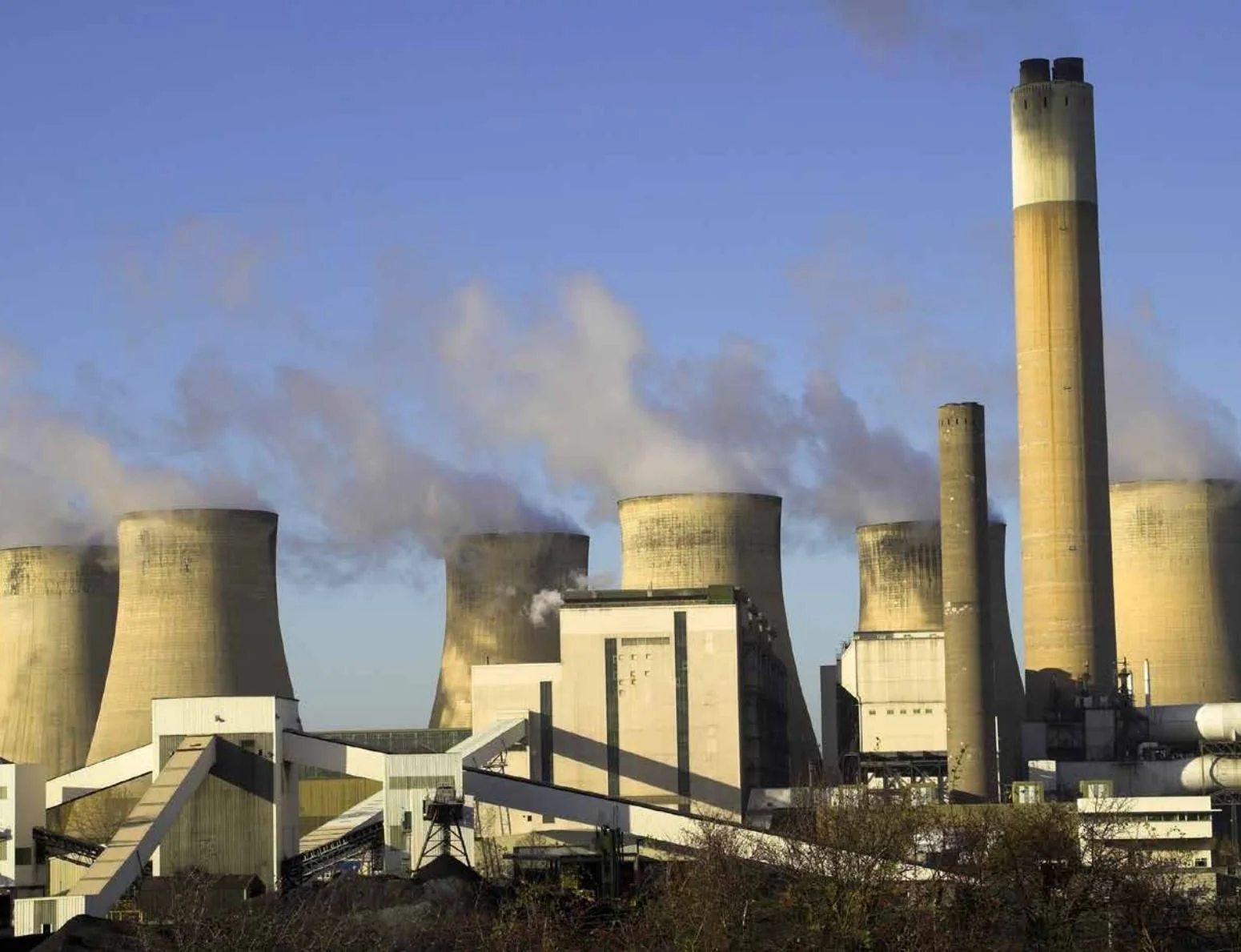
Traditionally, Britain relied on coal, which was abundant, as the source for all electricity and gas. In the 1970s, North Sea gas replaced this coal gas in the nation’s cookers, boilers and factories.
Although cleaner than coal, North Sea gas, which is methane, still produces carbon emissions which contribute to climate change.
In the 1990s, gas was increasingly used to generate electricity. Today, much of the gas we use is imported from our neighbours in the North Sea, and even from as far afield as the USA and until recently, Russia.
Big strides have been taken in generating more and more electricity from renewable sources such as solar farms and offshore wind.
Future Biogas is helping to decarbonise the nation’s gas supply by producing net zero biogas which is pumped directly into the network that supplies the country’s needs.
To fuel this gas production, Future Biogas partners with local farmers to grow energy crops as part of sustainable food rotations and incentivise the decarbonisation of agriculture.
We are also committed, through our Project Carbon Harvest initiative, to capturing and permanently storing atmospheric CO₂, a major contributor to climate change.
What is Biogas?
Like the North Sea gas most people are used to, biogas is simply methane, so it can be pumped directly into the existing gas network. But unlike North Sea and similar fossil fuel gases, biogas can be created using crops such as maize or rye, which are easily grown in the UK.
To create this new gas supply, Future Biogas does not use waste material such as manure, only crops grown locally, especially for the proposed facility.
Because it is not a fossil fuel, biogas does not release additional carbon dioxide (CO₂), which is a leading cause of climate change, into the atmosphere.
Instead, the CO₂ that occurs as a byproduct of biogas production is that which has been absorbed from the atmosphere by the crops used in the process as they grow.
The process used is called anaerobic digestion. This process creates:
• Biomethane - which is pumped directly into the gas network.
• CO2 - which is captured and permanently stored.
• Biofertiliser - which is returned to the soil to help new crops grow.
Biogas, like the North Sea gas used in many homes, is colourless and odourless, and in itself, non-toxic. The smell people get when lighting a gas hob, for instance, is actually a harmless chemical called mercaptan which is added to our supplies to give warnings of leaks.
Just like fossil fuel gas, biogas can be used for cooking and heating, but also to produce greener fertilisers, low carbon glass and even clean aviation fuels.